Fertilizer Chemical Safety Facts
The Second Industrial Revolution, also known as the Technological Revolution, [1] was a phase of rapid scientific discovery, standardisation, mass production and industrialisation from the late 19th century into the early 20th century. The First Industrial Revolution, which ended in the middle of the 19th century, was punctuated by a slowdown.
Fertilizers Industries
Over the course of industrialization, markets for food and agricultural products have become increasingly concentrated. In the U.S. beef slaughtering and processing industry, for example, the four largest companies earn 82 percent of the sales. 19 In the supermarket industry, four companies earn at least 42 percent of the sales. 20.
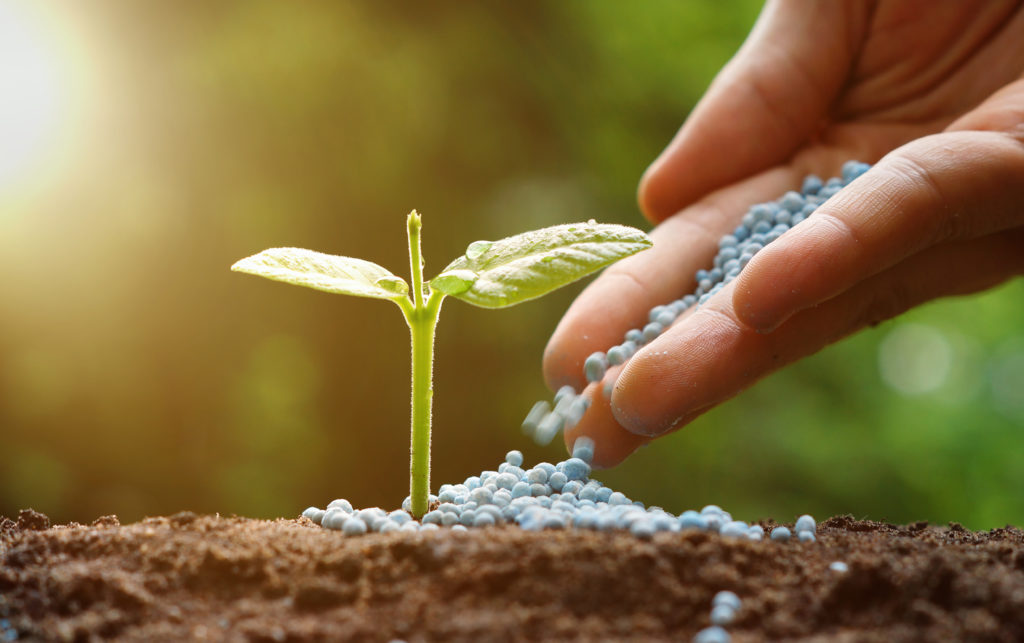
The World Has a Fertilizer Problem. Bioengineered Corn Could Save Us Discover Magazine

The Second Industrial Revolution was a process of technical innovations and economic transformations that began around 1870 and lasted until the outbreak of World War I, in 1914. It was a period of major economic and social changes that resulted from accelerated technological development.
what was the third agricultural revolution ️ Updated 2022
fertilizers was arguably the industrial revolution's single most important innovation for feeding the growing population. Today, the fertilizer industry is still recognized as an indispensable component in meeting the world's current and future food needs. In 2017, Canada's agriculture industry was recognized by the federal
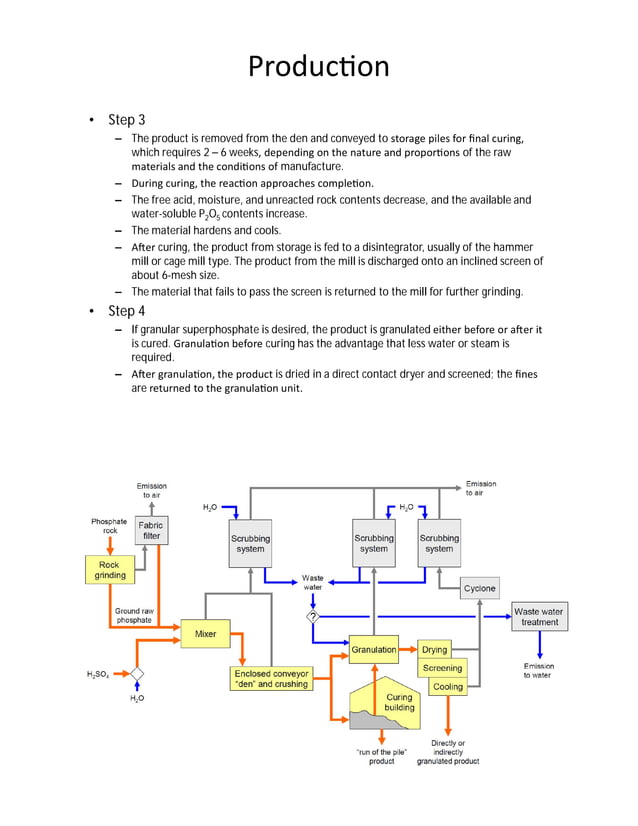
Phosphate Fertilizer Industry

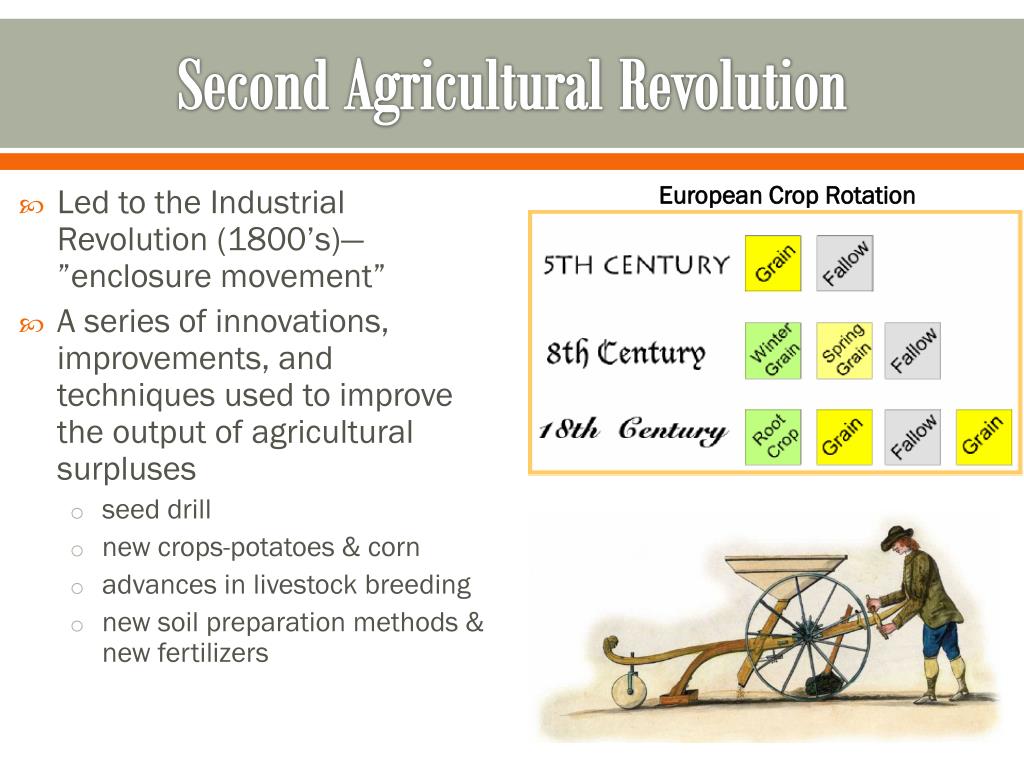
After the second industrial revolution, traditional agricultural practices shifted towards the use of synthetic chemical fertilizers and pesticides to improve crop production (Melillo, 2012; Dixon.
The Spread of the Industrial Revolution

The United States is the world's fourth largest producer of nitrogen fertilizers and the second largest producer of phosphate. The fertilizer industry is made up of companies that represent the entire supply chain from production to distribution to retail, all working together to deliver fertilizer to farmers in a safe, timely, and sustainable manner.
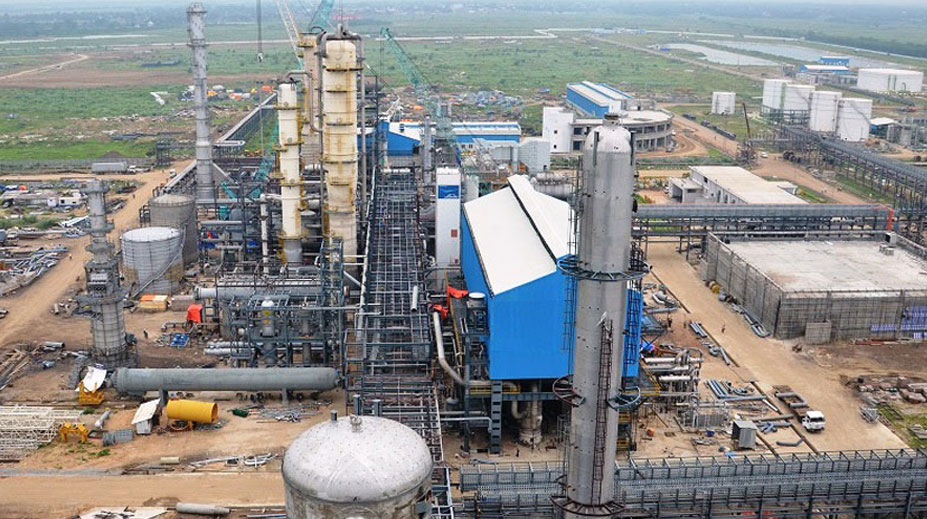
Fertilizer Industry In Bangladesh 2021 Amoot Company

A hundred years ago two German chemists, Fritz Haber and Carl Bosch, devised a way to transform nitrogen in the air into fertiliser, using what became known as the Haber-Bosch process. But Haber's.
Overview of Chemical Fertilizer Industry FARMAURA

1. Introduction. The second Industrial Revolution is usually dated be tween 1870 and 1914, although a number of its char - acteristic events can be dated to the 1850s. It is, however, clear that the rapid rate of pathbreaking inventions (macroinventions) slowed down after 1825, and picked up steam again in the last third of the century.
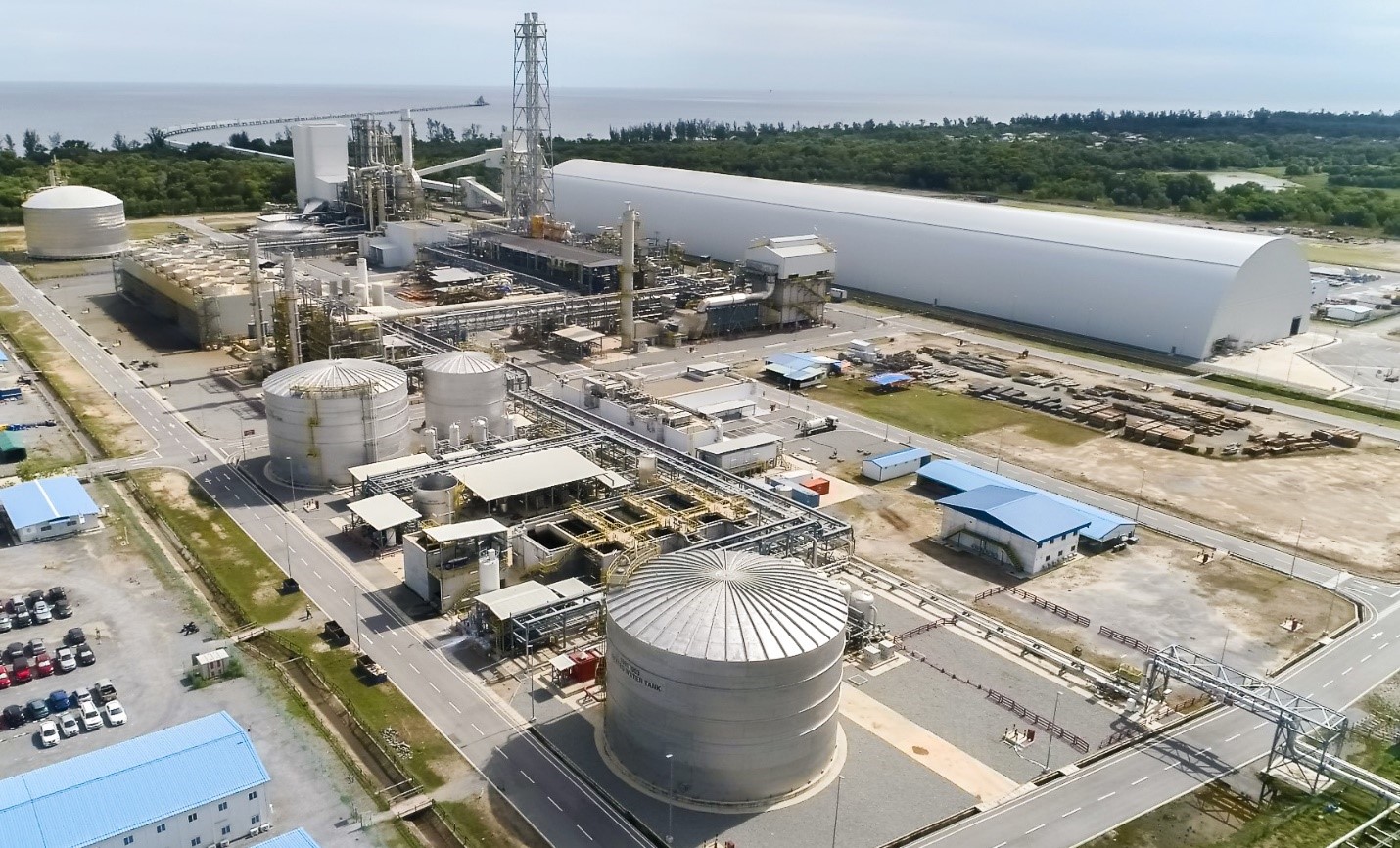
News Brunei Fertilizer Industries
Strengthening Sustainability in the Fertilizer Industry 7 researchers at Cambridge University, roughly half of the global population is fed with crops grown with synthetic fertilizers. 9 The industry is valued at about $170 billion, 10 with China accounting for nearly 30% of global production. The country is the biggest manufacturer of ammonia.
Fertilizers & Pesticides Industry / All about Indian Chemical Industry (Part 1) YouTube

Shrinking the industry's environmental footprint in the face of these trends will require close collaboration among policy makers, multilateral lenders such as the International Finance Corporation (IFC), manufacturers of synthetic fertilizers, and the farmers and communities that use the fertilizers. The complex path to achieving NetZero.
New Fertilizer units being setup with an investment of Rs 40,000 crore Sadananda Gowda
The First "Action" Movie. Of all the inventions of the Second Industrial Revolution, movie s are likely the most beloved. The French were pioneers in the film industry. Many film historians date cinema's beginning to the first paid public screening by the Cinématographe Lumière, an apparatus developed by brothers Auguste and Louis Lumière that both recorded and projected moving pictures.
How Big Is India’s Fertilizer Industry?

The practices of using engines as substitutes for animal and human muscle power and of using machines to produce goods took on a different character after about 1850. Sometimes called the second Industrial Revolution (or the second phase of the Industrial Revolution), this new phase differed from the original in several ways, and marked an.
How will the fertilizer sector fare in 2023? Enterprise

Superphosphate fertilizer was not just for the soil. The manufacture of superphosphates also provided a base for the growth of chemical industries. This growth was constitutive of industrial transformations in imperial states—the second industrial revolution—in which mass production units became integrated through a handful of chemicals.
Fertilizer Industry in India Start Fertilizer Manufacturing Business Enterclimate YouTube

Published on April 26, 2021. The Second Industrial Revolution was a period of groundbreaking advancements in manufacturing, technology, and industrial production methods, particularly in the United States, from around 1870 to 1914. Developments such as steel, electricity, increased mass production, and the building of a nationwide railroad.
Inventor Jethro Tull invented the seed drill in 170. It was a mechanical seeder which

The synthetic fertiliser industry originated in Germany in the early 20th century and was established in more than 100 countries by the 1990s. The spatial evolution of the industry at the world scale, as reflected in trends in production, trade and investment, is described with reference to an explanatory framework incorporating a combination.
Home Fertilizers Europe
The term Second Industrial Revolution refers to a set of technological events that took place roughly between 1865 and 1914. Between the customary end of the First Industrial Revolution in the 1820s and the start of a new wave of spectacular inventions, technological progress had been anything but stagnant. The implicit notion that the periods.
.